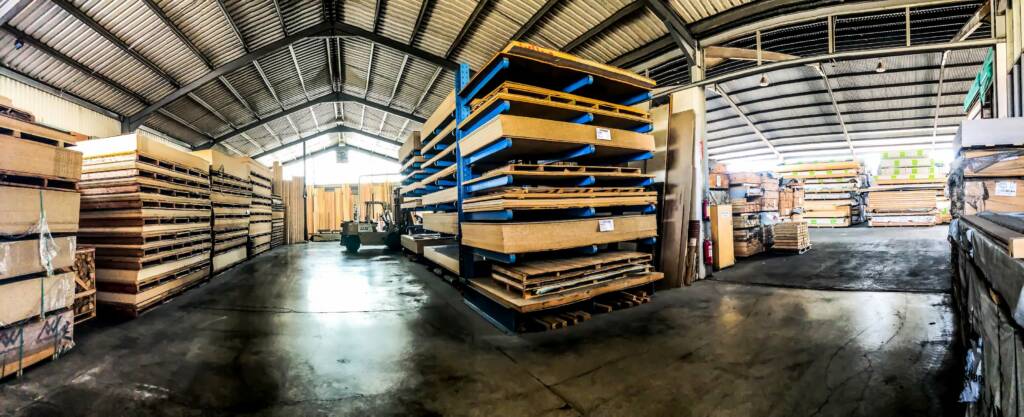
Wood has been one of the world’s most trusted building materials for centuries. From structural construction to furniture making and outdoor landscaping, timber offers a unique combination of strength, beauty, and versatility. However, not all timber is the same. Choosing the right type of wood can make the difference between a project that lasts for decades and one that requires costly repairs after only a few years. Whether you’re a professional builder, carpenter, architect, or DIY enthusiast, understanding the basics of timber selection will help you make informed decisions and achieve better results.
Why Timber Quality Matters
High-quality timber provides several important benefits:
- Greater structural strength
- Improved durability
- Better resistance to moisture and insects
- Easier cutting and installation
- A smoother, more attractive finish
- Reduced maintenance over time
Using quality materials often lowers long-term costs because repairs and replacements become less frequent.
Step 1: Consider Where the Timber Will Be Used
Before choosing any timber, ask yourself one simple question:
Will the project be indoors or outdoors?
Indoor Projects
For interior applications such as:
- Shelving
- Cabinets
- Furniture
- Decorative wall panels
- Interior doors
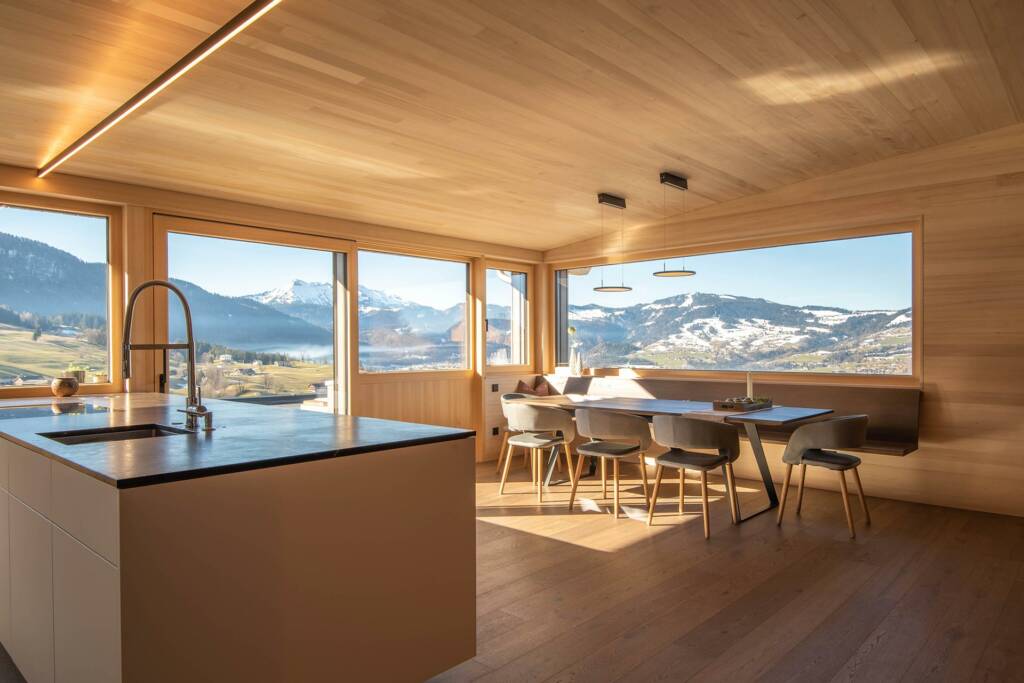
you’ll usually want timber that offers stability, an attractive grain, and a smooth finish.
Outdoor Projects
Outdoor timber must withstand:
- Strong UV sunlight
- Rain and humidity
- Seasonal temperature changes
- Insects and fungi
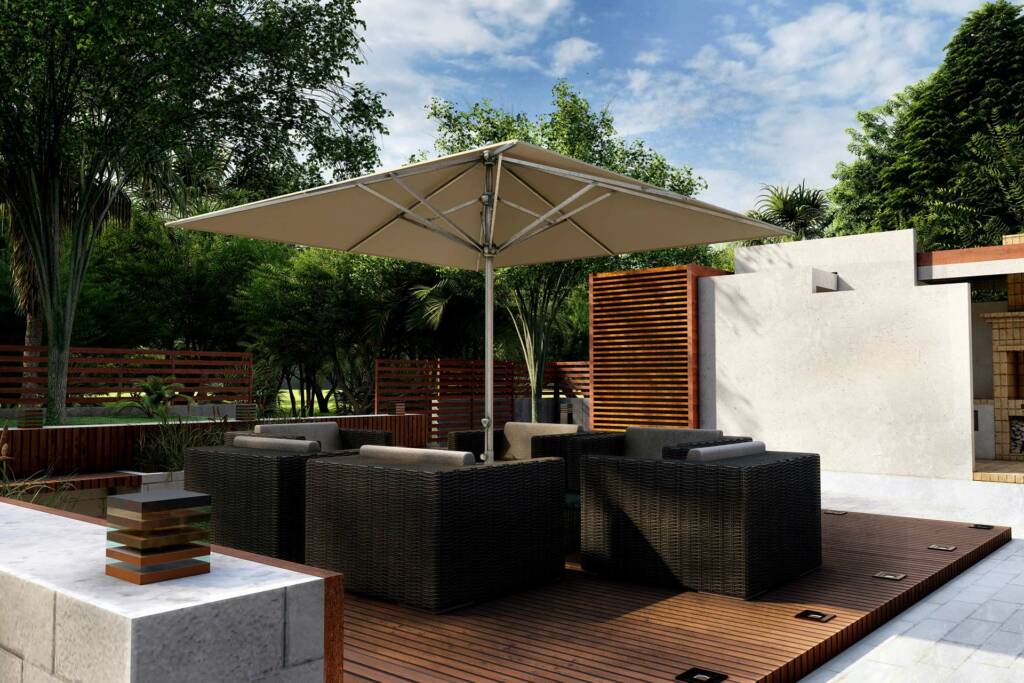
For pergolas, fencing, decking, sheds, and garden furniture, treated timber is often the preferred solution because it is designed to resist decay and weathering.
The quality of every project begins with the quality of the materials you choose.
Step 2: Understand the Different Types of Timber
Choosing the correct timber species depends on your project’s requirements.
Softwood
Softwoods are among the most commonly used construction materials because they are:
- Cost-effective
- Easy to cut
- Lightweight
- Readily available
Pine is one of the most popular options for framing, roofing, DIY projects, and general construction.
Hardwood
Hardwoods are denser and typically more durable.
They’re commonly selected for:
- Premium furniture
- Flooring
- Staircases
- High-end joinery
Although hardwood usually costs more, its durability and elegant appearance often make it a worthwhile investment.
Treated Timber
Pressure-treated timber undergoes a preservation process that protects it from:
- Rot
- Moisture
- Fungal decay
- Wood-boring insects
For outdoor applications in Cyprus, treated timber is often the smartest long-term choice.
Step 3: Check Moisture Content
Wood naturally contains moisture.
If timber hasn’t been properly dried before installation, it may:
- Warp
- Twist
- Shrink
- Crack
Kiln-dried timber offers greater stability and is particularly important for furniture making, cabinetry, and interior finishing work where precision is essential.
Step 4: Consider Structural Requirements
Every project has different strength requirements.
For example:
- Roof structures
- Floor joists
- Load-bearing walls
- Support beams
require structural timber that meets appropriate strength standards.
Decorative timber, on the other hand, may not be suitable for supporting significant weight.
If you’re uncertain, seek advice before purchasing materials to ensure your project is both safe and compliant.
Step 5: Think About Appearance
Timber is valued not only for its strength but also for its natural beauty.
When selecting wood, consider:
- Colour
- Grain pattern
- Knot density
- Texture
- Intended finish
Some customers prefer a rustic appearance with visible knots, while others want a clean, contemporary look with minimal imperfections.
The right stain, varnish, or paint can also enhance and protect the finished product.
Step 6: Plan for Maintenance
Even high-quality timber benefits from regular care.
Outdoor wooden structures should be protected using suitable:
- Wood oils
- Sealants
- Exterior stains
- UV-resistant coatings
Routine maintenance helps preserve colour, reduce cracking, and extend the lifespan of timber exposed to the Cypriot climate.
Step 7: Use the Right Tools
Quality timber deserves quality tools. Using sharp saw blades, reliable drills, accurate measuring equipment, and appropriate fasteners improves both safety and workmanship. Whether you’re completing a weekend DIY project or managing a large construction site, the right equipment saves time and produces better results.